
Astroterms Workshop Glossary (First Part)
Thanks to the participation and enthusiasm of all present, the September workshop proved a great success.
Learning came from educated guesses, deductions, sharing our knowledge and asking questions.
Rather than looking at a glossary, groups focused on matching cards with their definitions, finding links and distinctions among groups of 3 words.
Why not have a go yourself right now? Can you group these words into 3 groups each containing 3 related words?
| absolute magnitude | absorption | accretion |
| apparent magnitude | blazar | emission |
| magnitude | pulsar | quasar |
PICTURE HINTS (Click to enlarge):
 |
 |
 |
 |
 |
 |
 |
 |
 |
SOLUTION
Click to reveal the answer
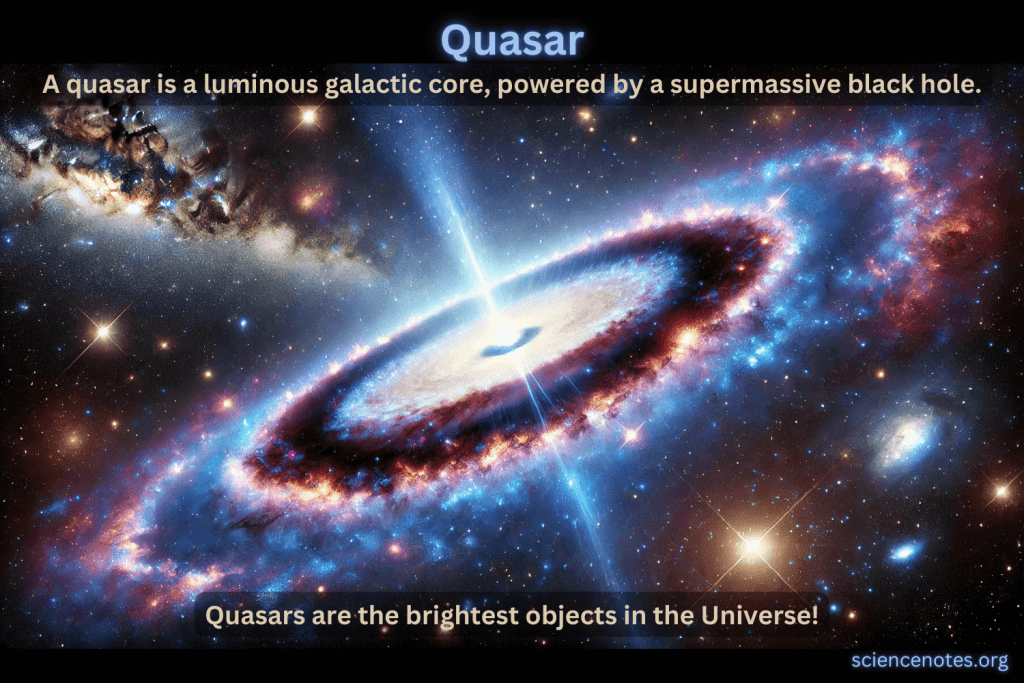
| quasar | the active core of a distant galaxies, powered by a supermassive black hole devouring surrounding matter |
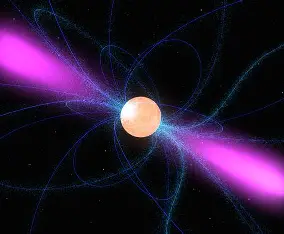
| pulsar | a highly magnetized rotating neutron star that emits beams of electromagnetic radiation from its magnetic poles; observed only when a beam is pointing toward Earth, like a lighthouse |
| blazar | intrinsically the same as a quasar — a supermassive black hole with a surrounding accretion disk, producing a jet — but seen at a different orientation angle with the jet almost end-on |
| accretion | the accumulation of particles into a massive object through gravitational forces |
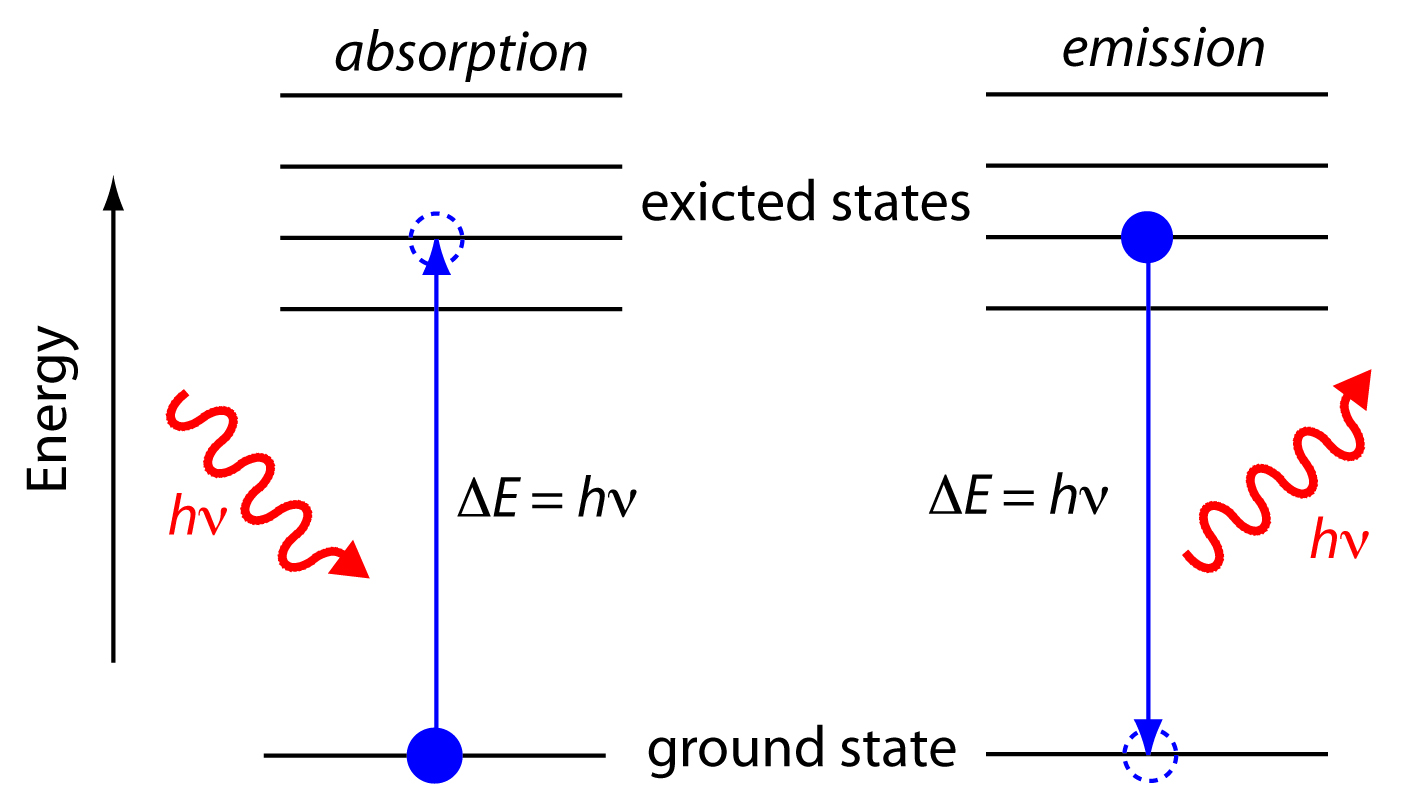
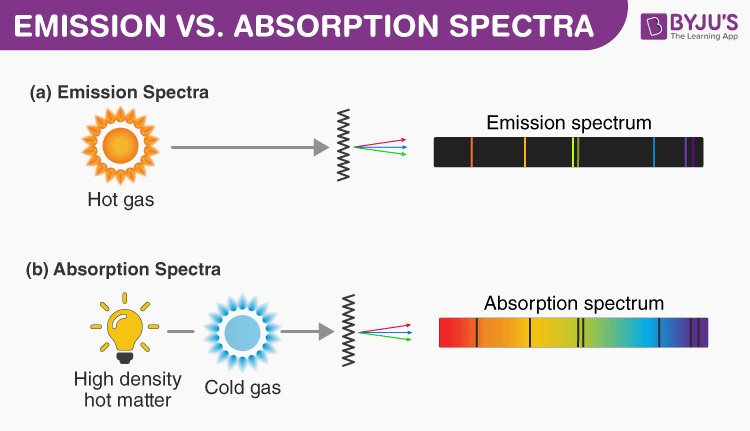
| absorption | taking in / the process by which light ( ElectroMagneticRadiation) is absorbed by matter and specific wavelengths are converted into energy |
| emission | giving out / the process by which specific wavelengths of light energy (ElectroMagneticRadiation) are released by matter |
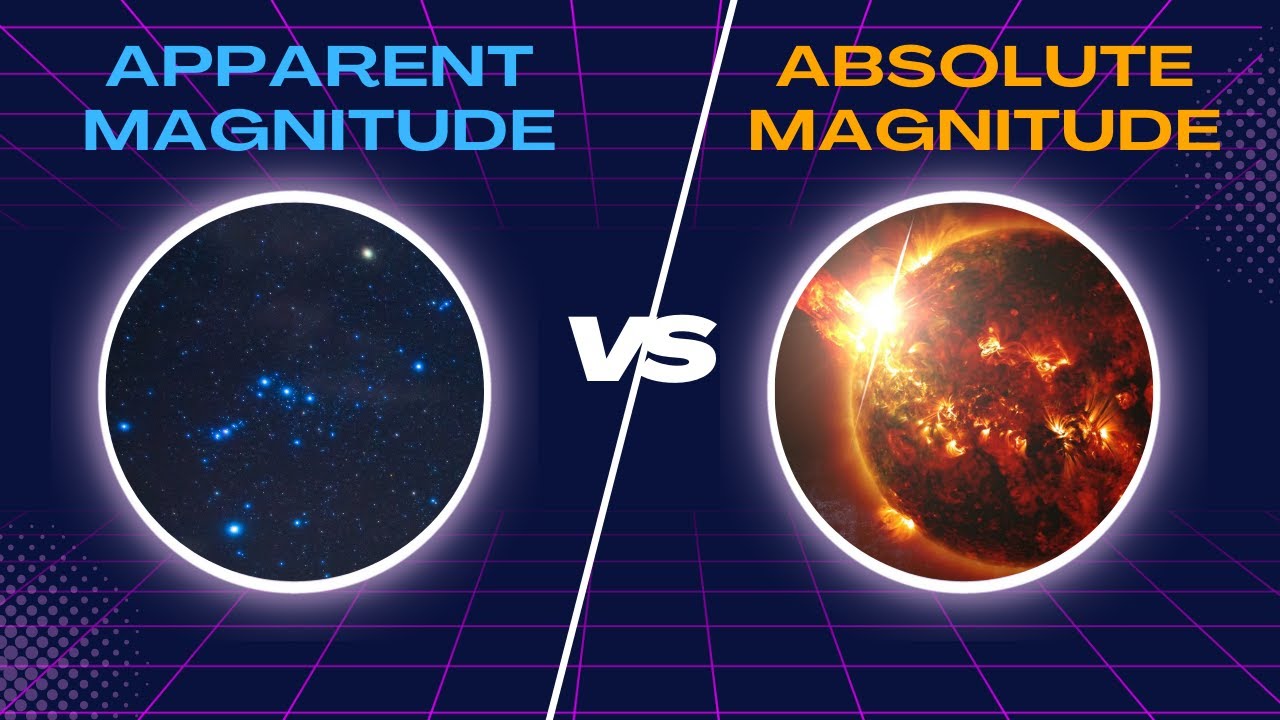
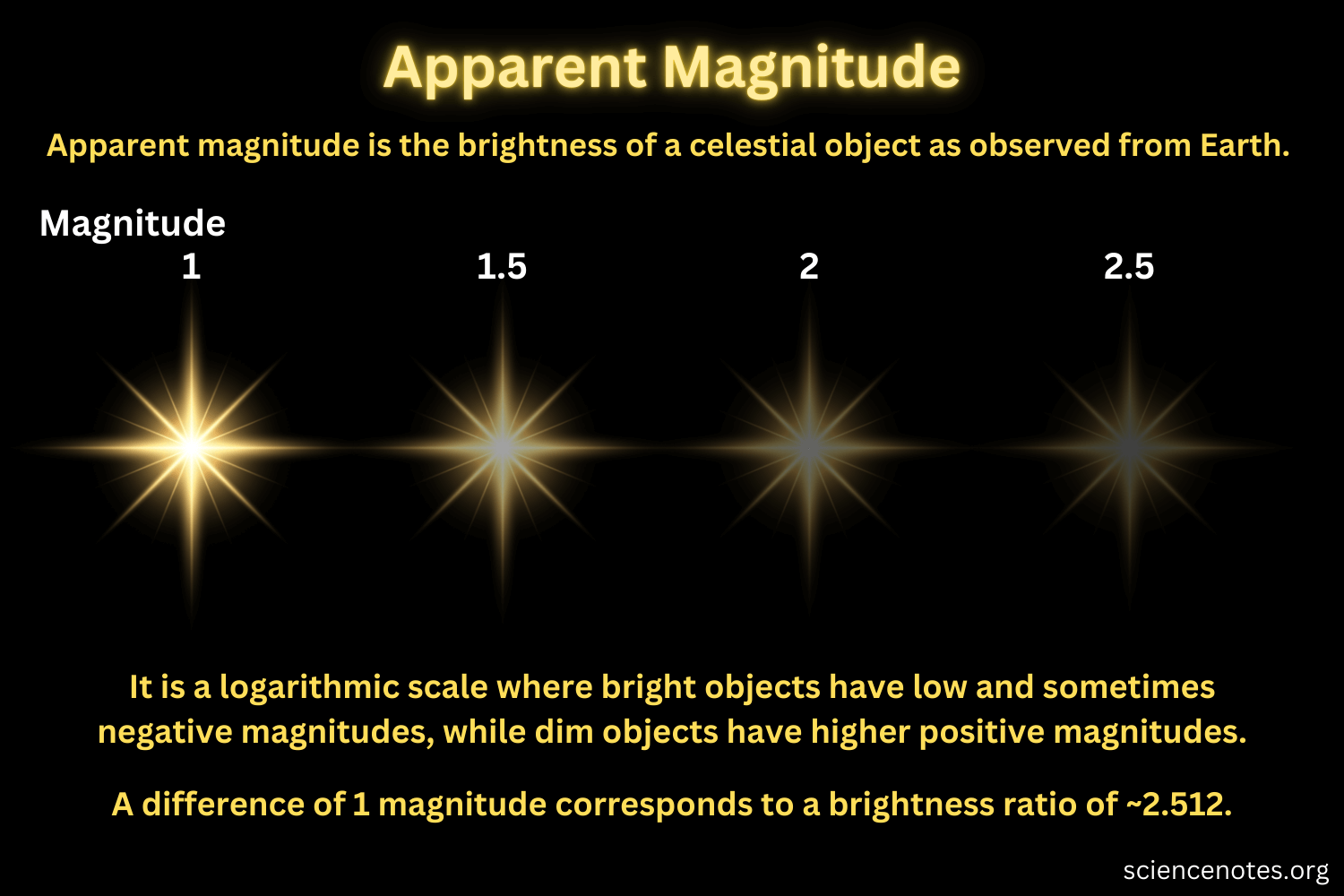
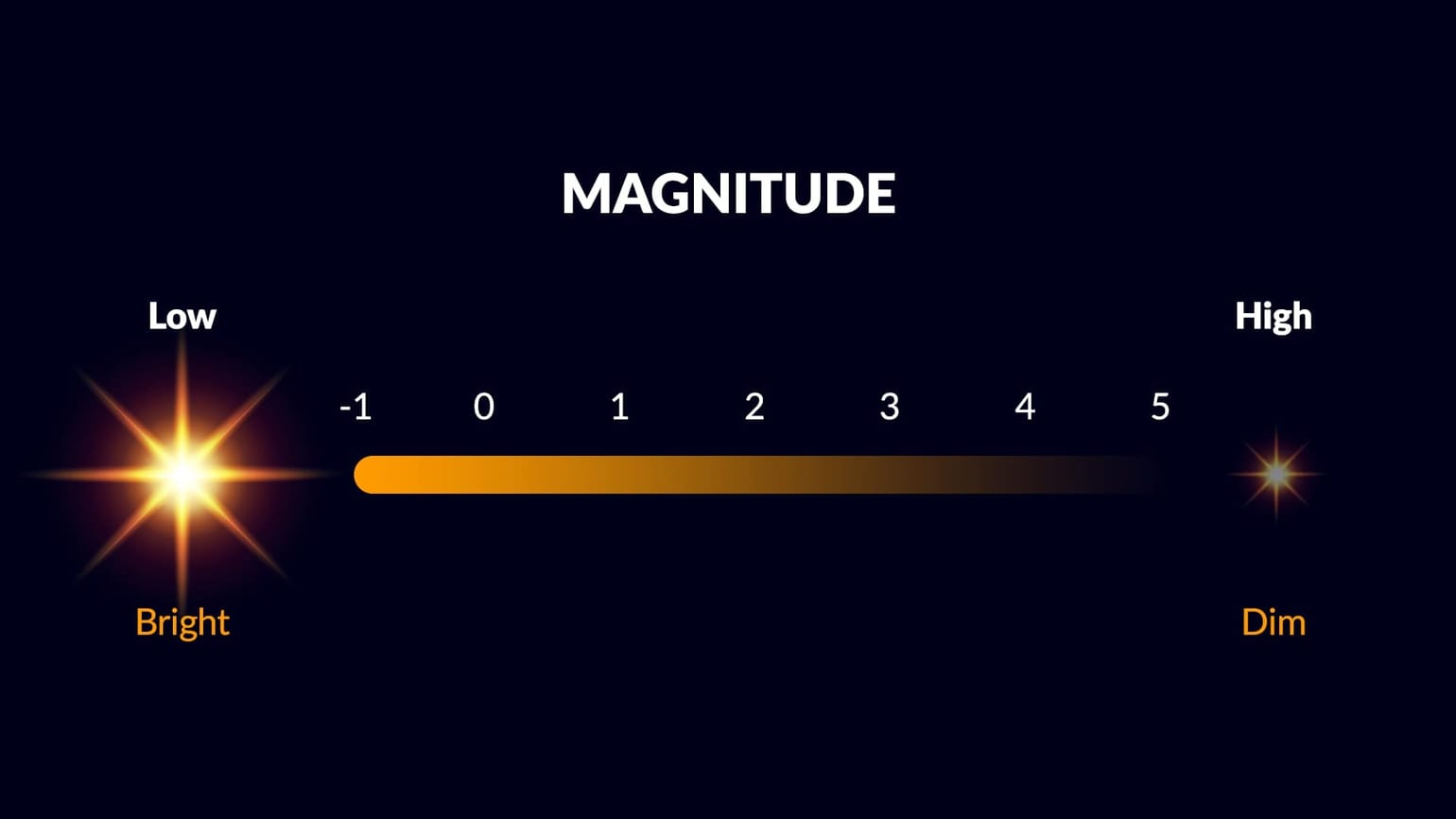
| magnitude | size / extent / a measure of how bright an object appears in the sky, represented by a number on a logarithmic scale |
| absolute magnitude | a scale for measuring the actual brightness of a celestial object without accounting for the distance of the object |
| apparent magnitude | a scale for measuring the brightness of a celestial object as it appears to an observer on Earth; bright objects have a low number while dim objects will have a higher number |